Implementing Efficient Off-Grid Apartment Systems: A Comprehensive Guide
Off-grid living in an apartment presents unique challenges, from limited space for power generation and food production to navigating permissions for setting up systems. However, with innovative thinking, energy-efficient appliances, and creative gardening solutions, partial off-grid living is achievable.
Understanding Off-Grid Systems
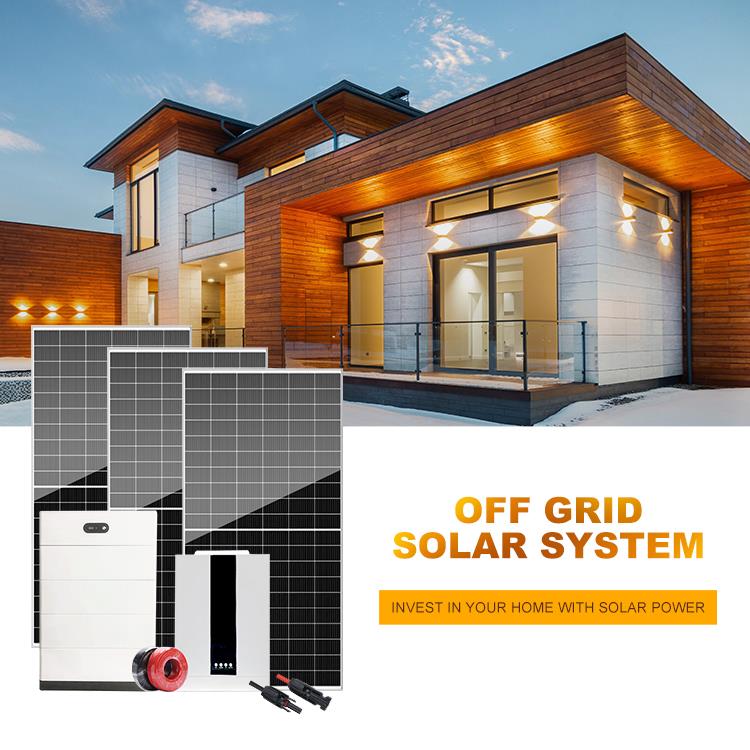
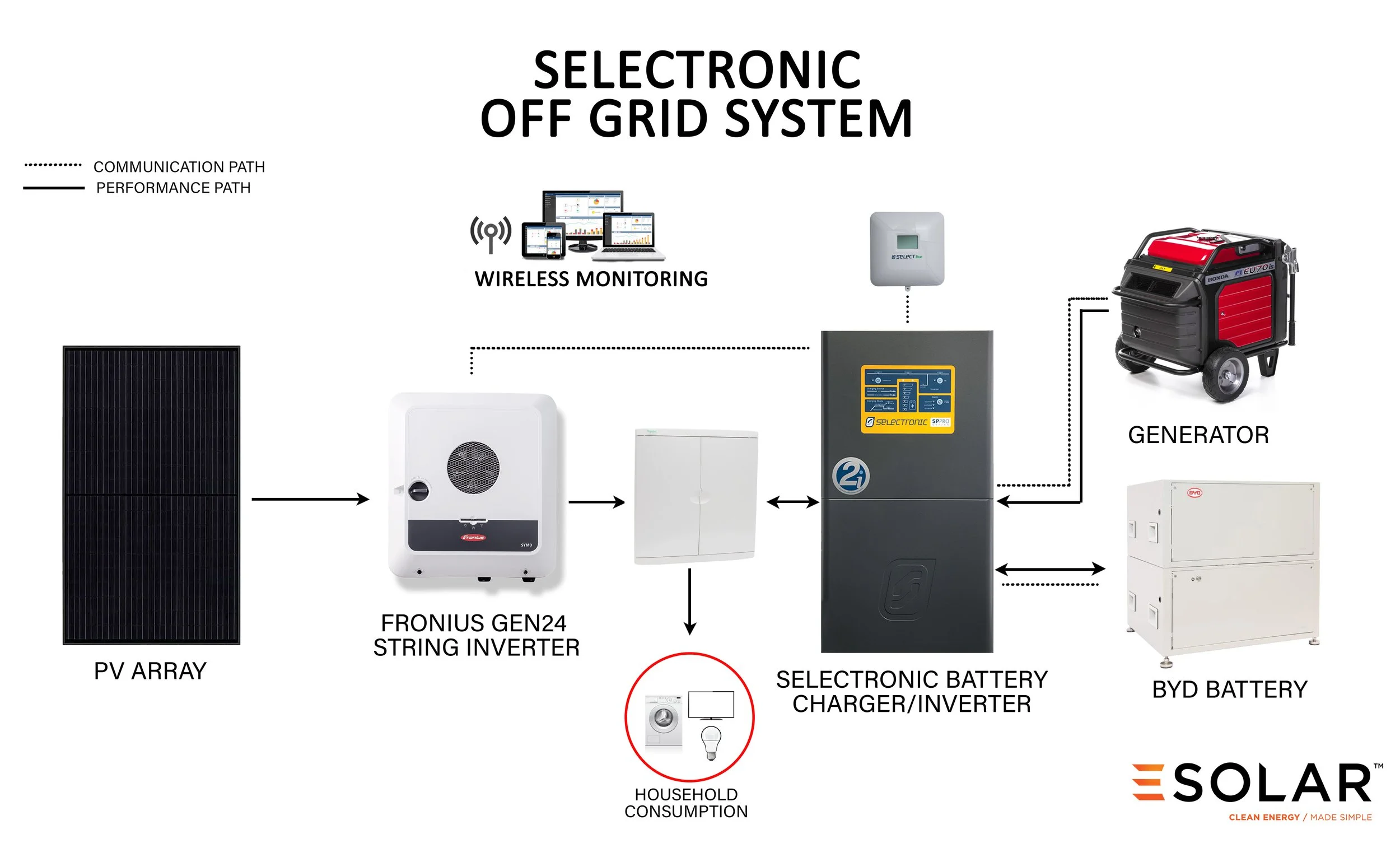
Off-grid systems operate independently of the central electrical grid, providing energy autonomy and resilience, especially valuable in areas with unreliable or unavailable grid access. These systems often employ renewable energy sources like solar power, wind energy, or micro-hydro power, paired with energy storage solutions such as batteries.
Key Components of an Off-Grid System
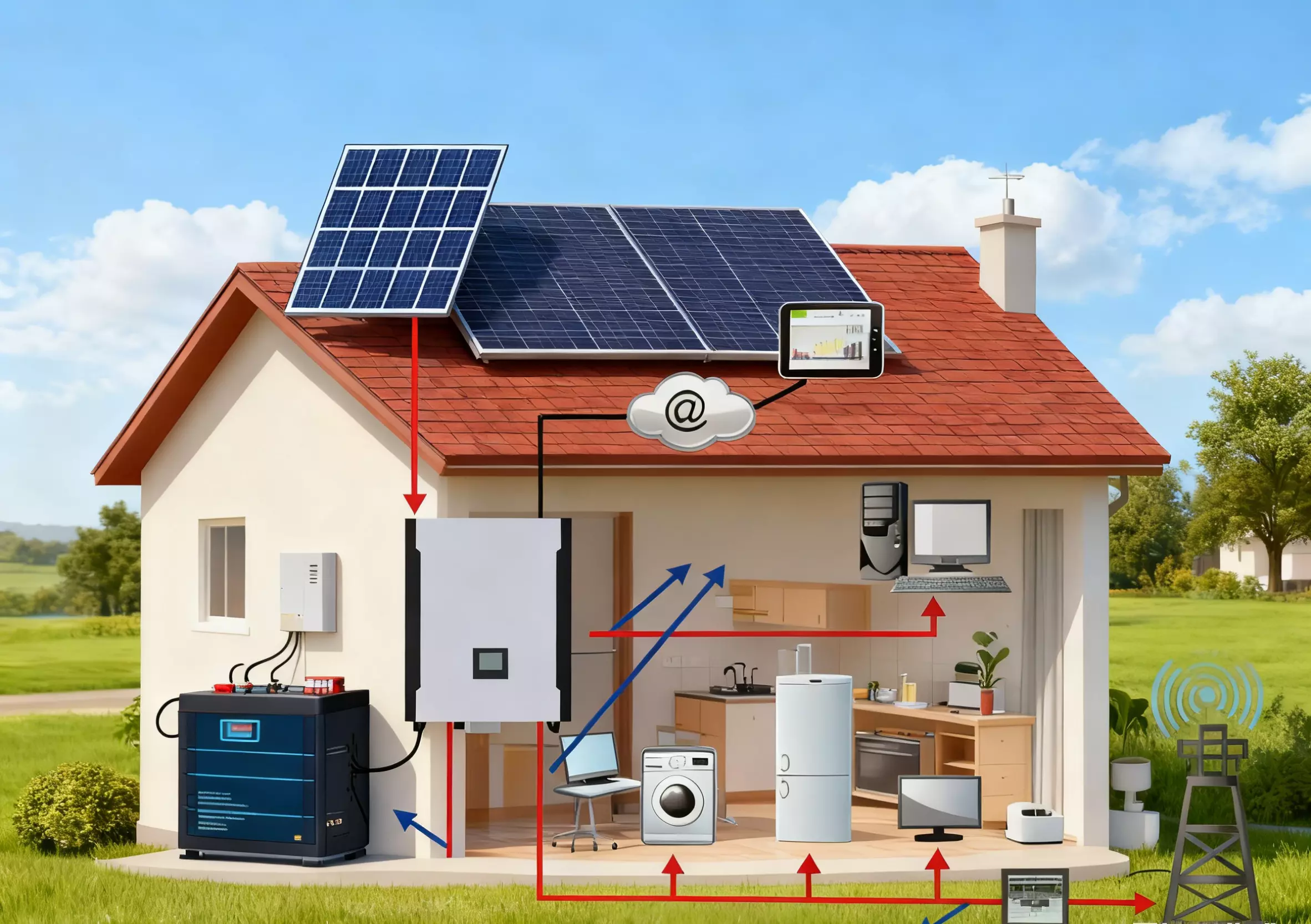
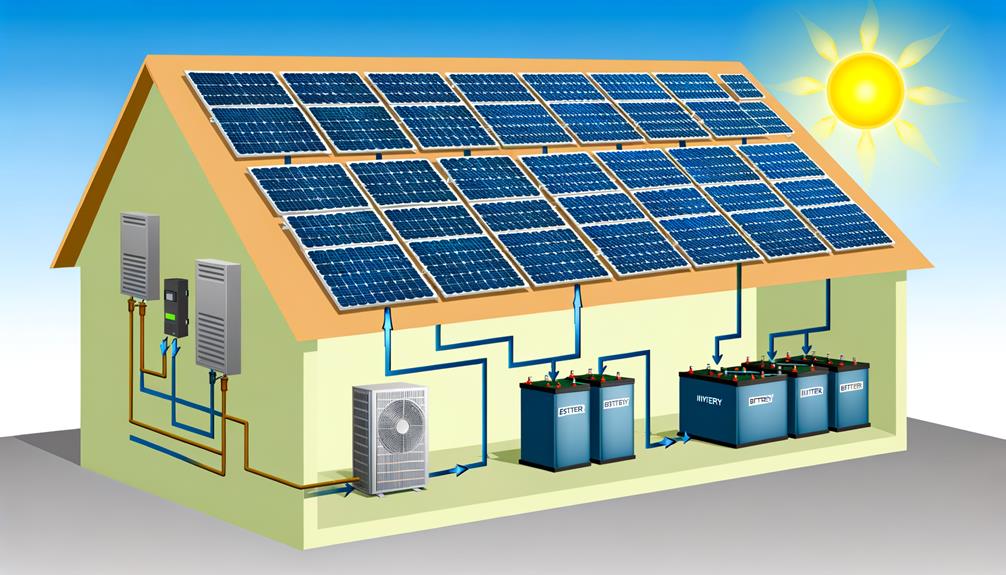
Solar Panels: Harvesting energy from sunlight, solar panels are a crucial component of off-grid systems. Their efficiency and capacity determine the overall performance of the system.
Battery Banks: Energy storage solutions like batteries enable the system to store excess energy generated during the day for use during the night or during power outages.
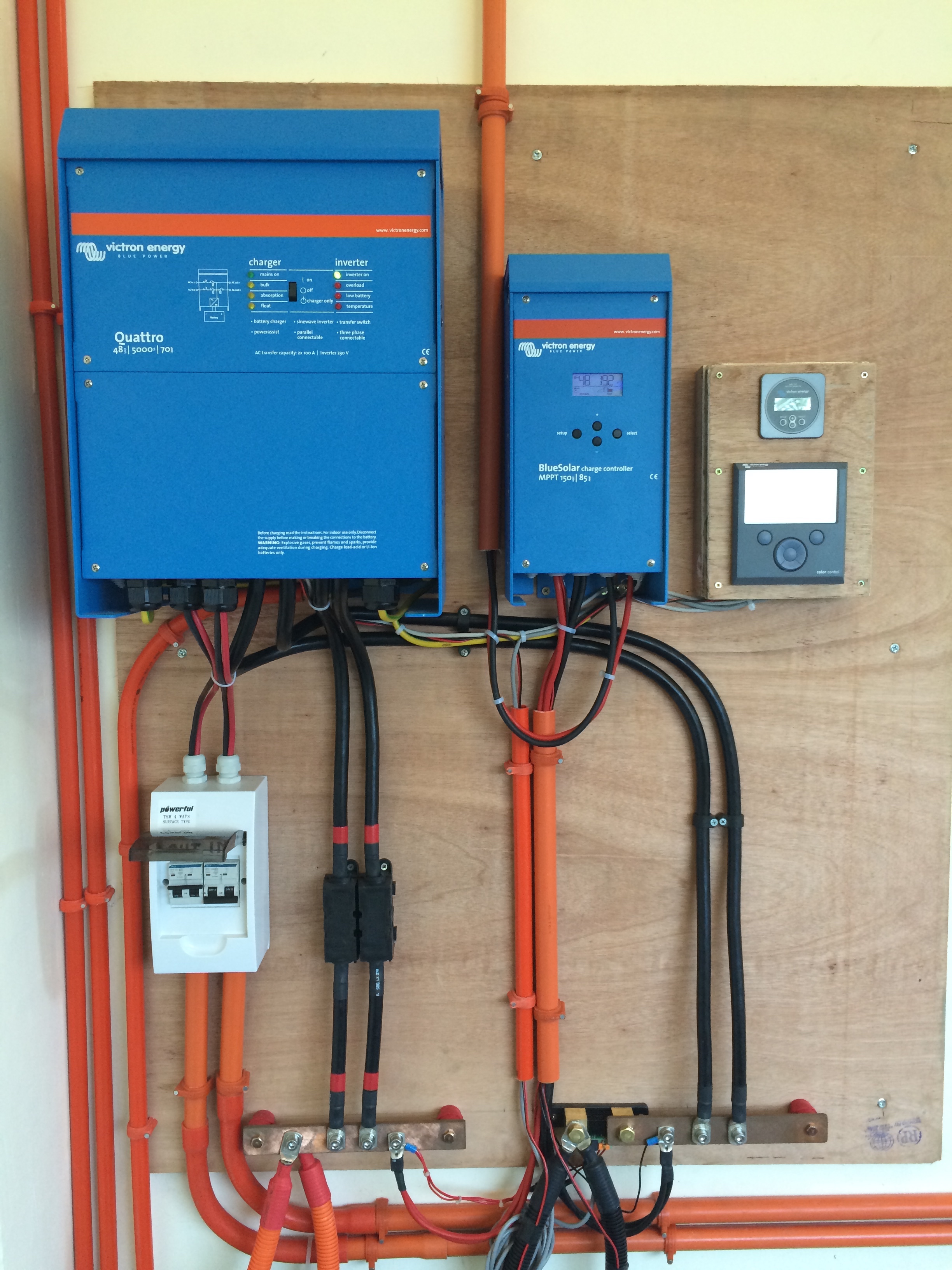
Inverters: Converting DC power from the solar panels and batteries into AC power for household use.
Charge Controllers: Regulating the flow of energy from the solar panels to the batteries, preventing overcharging and prolonging battery lifespan.

Implementing Efficient Off-Grid Apartment Systems
Conduct a site assessment to determine the optimal orientation and size of the solar panel array.
Choose the right battery configuration and size to meet the system's energy needs.
Select a suitable inverter and charge controller to ensure efficient energy conversion and management.
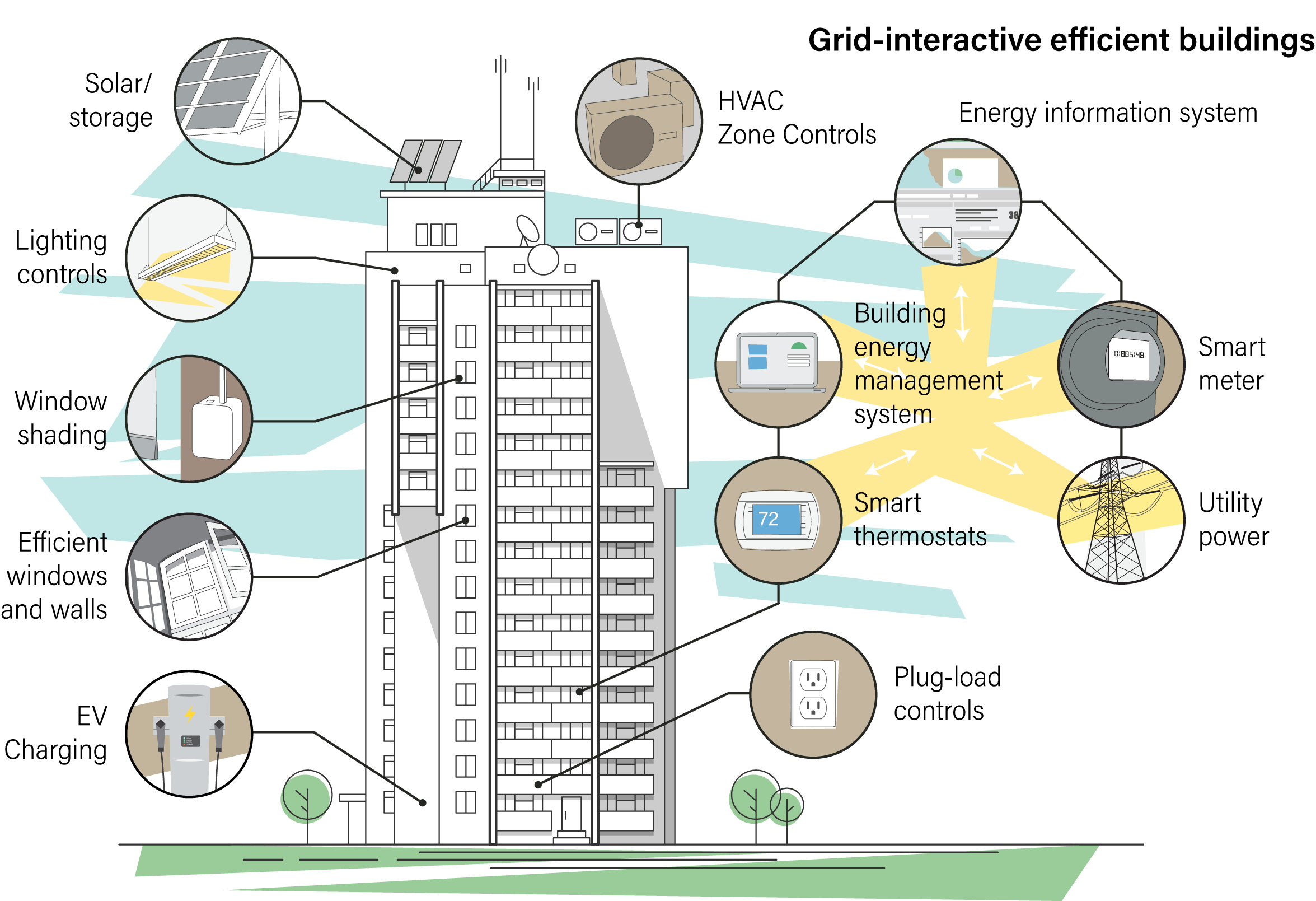
Implement energy-efficient appliances and smart home technologies to minimize energy consumption.
Consider installing a wind turbine or other renewable energy sources to diversify the system's energy mix.
Designing Off-Grid Systems for Apartments
Designing an off-grid system for an apartment requires careful consideration of the space constraints and energy needs. Here are some design strategies to consider:
Compact Solar Panels: Using high-efficiency solar panels that can be mounted on a balcony or roof.
Portable Storage Solutions: Utilizing compact battery banks and charge controllers to manage energy storage.
Space-Efficient Design: Selecting energy-efficient appliances and smart home technologies that minimize energy consumption.
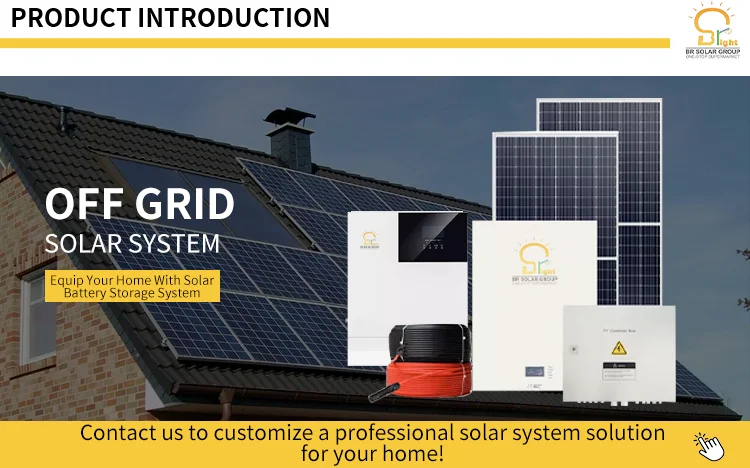
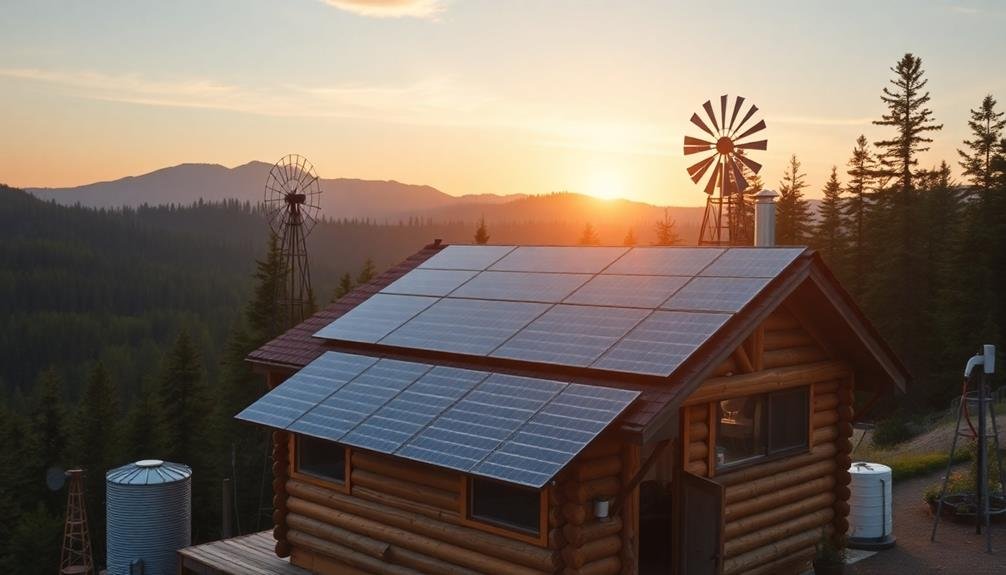
Furthermore, visual representations like the one above help us fully grasp the concept of Implementing Efficient Off-Grid Apartment Systems.
Conclusion
Implementing an efficient off-grid apartment system requires careful planning, design, and execution. By considering the key components, design strategies, and technologies outlined in this guide, you can create a reliable and efficient off-grid system that meets your energy needs and enhances your apartment living experience.
Additional Resources
For more information on designing and implementing off-grid apartment systems, consider the following resources:
Off-Grid Solar Energy Systems: A comprehensive guide to designing and installing off-grid solar systems.
Guide to Compact Solar Panels: Discover the best compact solar panels for apartment living and their features.
Smart Home Automation for Off-Grid Homes: Learn how to integrate smart home technologies to automate and optimize your off-grid system.